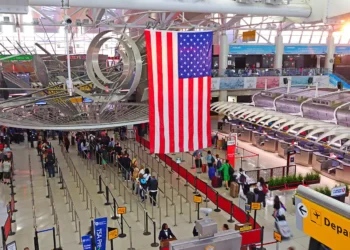
A life-changing opportunity is being offered in the Netherlands in 2026, where both skilled and unskilled workers are being welcomed into a thriving European job market with competitive salaries, legal protections, and clear pathways to long-term residency.
Overview of Working in the Netherlands in the year 2026 as Either Skilled or Unskilled
The Netherlands has been widely recognized as one of the most attractive destinations in Europe for foreign workers. A strong economy, modern infrastructure, and an open labor market have contributed to its global appeal. It has been observed that both skilled and unskilled workers are increasingly being recruited to fill labor shortages across multiple industries.
A stable political environment and strong labor protections have ensured that workers are provided with fair wages, safe working conditions, and social security benefits. As a result, the Netherlands has continued to attract international migrants seeking long-term employment and improved quality of life.
Why Foreign Workers Choose the Netherlands
Several factors have contributed to the growing interest in the Netherlands among international workers:
- Competitive salaries compared to many European countries
- Strong work-life balance policies
- Access to the wider European Union job market
- High standard of living

Additionally, it has been noted that English is widely spoken, which makes it easier for foreign workers to integrate into the workforce, especially in multinational companies.
Overview of the Netherlands Immigration System
Key Authorities
The immigration system in the Netherlands is managed by key government institutions responsible for processing applications and enforcing regulations.
- The Immigration and Naturalisation Service (IND) is responsible for residence permits and visa approvals
- The Ministry of Social Affairs and Employment oversees labor laws and employment conditions
All visa applications are required to comply with the rules established by these authorities.
Work Visa vs Residence Permit
A distinction is made between a work visa and a residence permit in the Netherlands.
- A work visa (MVV) is required for entry into the country for long stays
- A residence permit allows individuals to live and work in the Netherlands
In most cases, both are combined into a single application known as the GVVA (Single Permit).
Categories of Work Visas
Work visas are generally categorized based on skill level and employment type:
- Skilled worker visas
- Unskilled or seasonal work permits
- Short-term and long-term employment permits
Each category is associated with specific eligibility criteria and conditions.
Netherlands Work Visa Types (2026)
Highly Skilled Migrant Visa (Kennismigrant)
The Highly Skilled Migrant Visa is designed for professionals with specialized knowledge and expertise.
- A job offer from a recognized sponsor is required
- Minimum salary thresholds must be met
- Faster processing times are usually provided
This visa has been considered one of the easiest pathways for qualified professionals.
EU Blue Card
The EU Blue Card is intended for highly educated individuals seeking employment within the European Union.
- Higher salary requirements compared to other visas
- Greater mobility within EU countries
- Long-term residency opportunities
It has been regarded as an attractive option for those planning to work across multiple EU nations.
Orientation Year Visa (Zoekjaar Visa)
This visa is granted to graduates from Dutch institutions or top global universities.
- No job offer is required initially
- One year is provided to search for employment
- Transition to a work visa is allowed after securing a job
Intra-Company Transfer (ICT) Permit
This permit is used by multinational companies to transfer employees to their Dutch branches.
- Applicable to managers, specialists, and trainees
- Temporary work authorization
- Requires proof of employment within the company
Regular Paid Work Permit (GVVA)
The GVVA combines both residence and work permits into a single application.
- Suitable for mid-level and some unskilled roles
- Employer sponsorship is mandatory
- Labor market testing may be required
Seasonal Work Visa
Seasonal work visas are issued for short-term employment in agriculture and horticulture sectors.
- Valid for up to 24 weeks
- Limited to specific industries
- Employer must demonstrate labor shortage
Au Pair and Exchange Programs
Cultural exchange programs are available for young individuals seeking temporary work experience.
- Age restrictions apply
- Limited working hours
- Focus on cultural exchange rather than employment
Work Visa Options for Skilled Workers
High-Demand Sectors
Skilled workers are highly sought after in several industries within the Netherlands:
- Information Technology
- Engineering
- Healthcare
- Finance
It has been observed that professionals in these fields are more likely to receive visa sponsorship.
Salary Requirements
Salary thresholds are established to ensure that foreign workers are fairly compensated.
- Higher salaries are required for older applicants
- Reduced thresholds may apply to younger professionals
Meeting these requirements is essential for visa approval.
Benefits of Skilled Worker Visas
Several advantages are associated with skilled worker visas:
- Faster processing times
- Ability to bring family members
- Pathway to permanent residency
Work Visa Options for Unskilled Workers
Available Job Sectors
Unskilled workers are typically employed in sectors experiencing labor shortages:
- Agriculture
- Cleaning services
- Logistics and warehousing
- Hospitality
These roles are often physically demanding but provide entry-level opportunities for foreign workers.
Employer Sponsorship Requirements
Employers are required to prove that no suitable EU candidate is available before hiring foreign workers.
- Labor market test must be completed
- Work permit must be approved before employment begins
Limitations
Unskilled work visas come with certain restrictions:
- Shorter duration
- Limited job mobility
- Lower earning potential
General Eligibility Requirements
Basic Requirements
All applicants must meet the following conditions:
- Valid passport
- Job offer from a Dutch employer
- Clean criminal record
Additional Requirements
Depending on the visa type, additional documents may be required:
- Health insurance coverage
- Proof of accommodation
- Educational qualifications
Required Documents
For Skilled Workers
- Signed employment contract
- Academic certificates
- Proof of work experience
For Unskilled Workers
- Job offer letter
- Employer sponsorship documents
- Approved work permit
Step-by-Step Application Process
Securing a Job Offer
The process begins with obtaining a job offer from a Dutch employer.
- Online job portals can be used
- Recruitment agencies may assist
Employer Application Process
The employer submits the application to the immigration authorities.
- IND processes the request
- Work authorization is reviewed
Visa Application (MVV)
Applicants must apply for an entry visa if required.
- Application is submitted at a Dutch embassy
- Biometrics are collected
Arrival and Registration
Upon arrival in the Netherlands:
- Registration with the local municipality is required
- A BSN (citizen service number) is issued
Processing Time
Skilled Worker Visa Processing
Applications are typically processed within 2–4 weeks.
Unskilled Work Permit Processing
Processing may take 4–8 weeks or longer.
Factors Affecting Processing Time
- Completeness of documentation
- Employer recognition status
- Application volume
Costs and Fees (2026)
Visa Fees
- MVV application fee: approximately €207
- Residence permit fee: varies by visa type
Additional Costs
- Health insurance
- Travel expenses
- Document certification
Salary Expectations in the Netherlands
Skilled Workers
- IT professionals: €3,500 – €7,000/month
- Engineers: €3,000 – €6,000/month
- Healthcare workers: €2,800 – €5,500/month
Unskilled Workers
- €1,800 – €2,500/month
- Based on minimum wage laws
Comparison with Other Countries
| Country | Average Skilled Salary | Unskilled Salary |
|---|---|---|
| Netherlands 🇳🇱 | €3,500–€7,000 | €1,800–€2,500 |
| Germany 🇩🇪 | €3,000–€6,500 | €1,700–€2,400 |
| UK 🇬🇧 | €2,800–€6,000 | €1,600–€2,300 |
| Canada 🇨🇦 | €3,000–€6,200 | €1,900–€2,600 |
Cost of Living in the Netherlands
Housing Costs
- Major cities: €800 – €2,000/month
- Smaller towns: €500 – €1,200/month
Daily Expenses
- Food: €200 – €400
- Transport: €50 – €150
- Utilities: €100 – €200
Budget Planning Tips
- Shared accommodation is recommended
- Public transport should be used
- Monthly budgets should be planned carefully
Visa Sponsorship and Employers
Recognized Sponsors
Recognized sponsors are employers approved by the government to hire foreign workers.
- Faster processing is provided
- Higher approval chances are ensured
Companies That Hire Foreign Workers
- Technology firms
- Logistics companies
- Agricultural businesses
Family Reunification
Bringing Family Members
Foreign workers are allowed to bring immediate family members:
- Spouses
- Children
Dependent Visa Benefits
- Spouses are allowed to work
- Access to education for children
Permanent Residency and Citizenship
Eligibility for Permanent Residency
Permanent residency may be applied for after five years of continuous stay.
Dutch Citizenship Pathway
- Integration exams must be passed
- Language proficiency is required
Common Reasons for Visa Rejection
- Incomplete documentation
- Salary below required threshold
- Employer not recognized
- Failure to meet eligibility criteria
Tips for Fast Approval
For Skilled Workers
- Applications should be submitted through recognized sponsors
- Salary requirements must be clearly met
For Unskilled Workers
- High-demand sectors should be targeted
- Employer compliance must be ensured
General Tips
- Accurate documentation must be provided
- Applications should be submitted early
Comparing Skilled vs Unskilled Work Visas
| Factor | Skilled Workers | Unskilled Workers |
|---|---|---|
| Salary | High | Low–Moderate |
| Approval Speed | Faster | Slower |
| Job Flexibility | High | Limited |
| PR Opportunities | Easier | Difficult |
Challenges Faced by Foreign Workers
- Language barriers in some sectors
- Housing shortages
- Job competition
- Cultural adjustment
FAQs
Can unskilled workers get a Netherlands visa?
Yes, but opportunities are limited and require employer sponsorship.
Is IELTS required?
Not always, but it may be required for certain roles.
Can jobs be changed?
Yes, but a new permit may be required.
Conclusion
The Netherlands has been established as a promising destination for both skilled and unskilled workers. While skilled professionals enjoy faster approvals and better opportunities, unskilled workers are still able to access employment through specific sectors.
It can be concluded that success in obtaining a Netherlands work visa depends largely on preparation, employer sponsorship, and compliance with immigration requirements.
ACTION NEEDED BY AN APPLICANTS AFTER READING
- Apply for Netherlands jobs today
- Check eligibility for skilled or unskilled visa
- Prepare required documents early
- Start your relocation journey in 2026